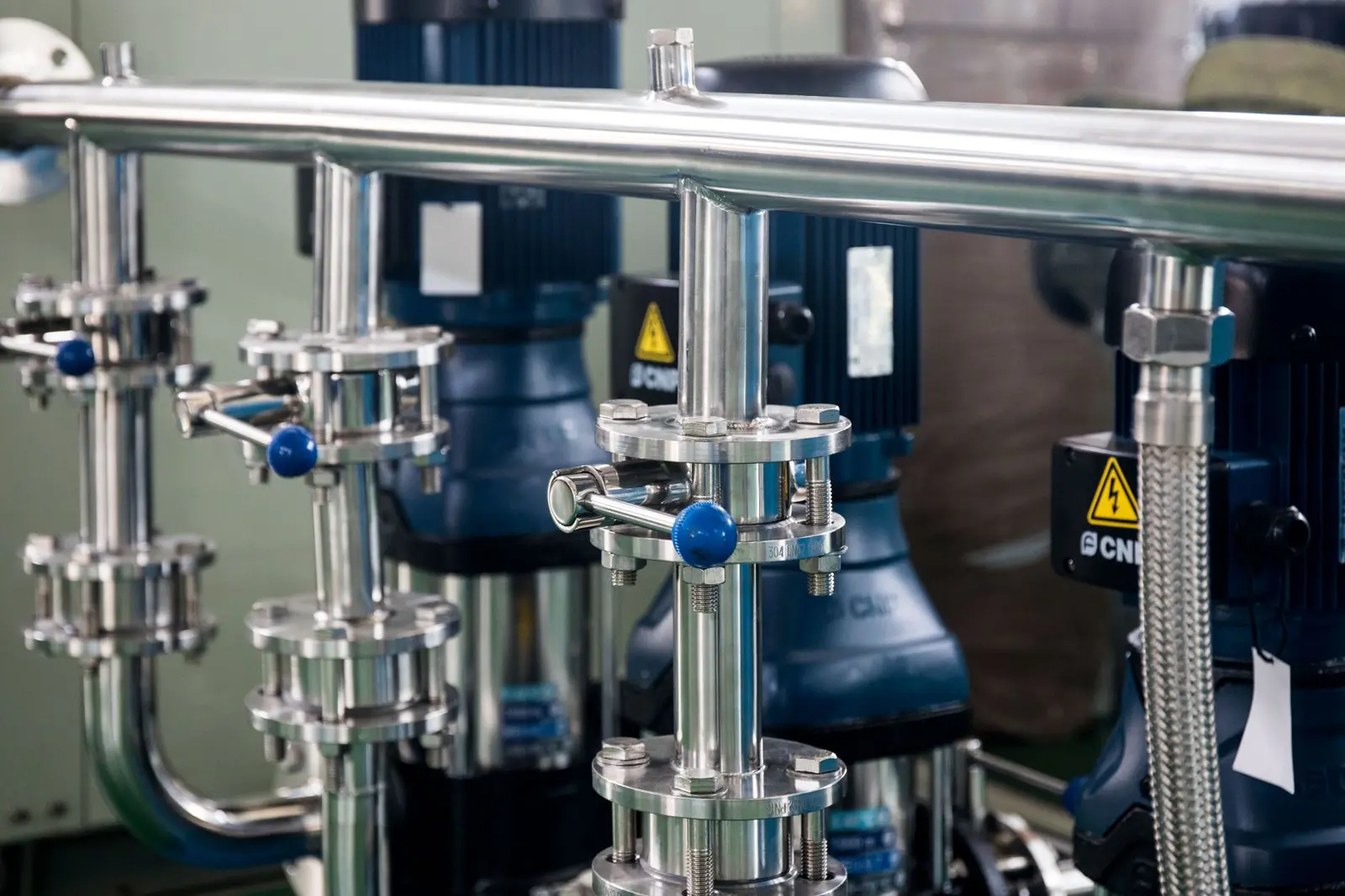
Engineering for the most concentrated water on site.
Independent process engineering for high-salinity brines: membrane and thermal concentration trains, MLD and ZLD scoping, metallurgy, and the economics of replacing off-site hauling. Vendor-neutral, with the math in the open.
Every technology has a TDS ceiling and an energy price.
Feed salinity decides where membranes stop and evaporation begins. Specific energy consumption (SEC) climbs roughly an order of magnitude at each handoff, which is why train order matters more than any single unit.
TDS in mg/L. SEC per m³ of water removed at that stage. Basis: process train overview and methodology.
Two calculators engineers can put in a capital request.
Both run in the browser, share by link and print to a one-page sheet. Inputs and formulas are published on the methodology page.
MLD/ZLD Mass Balance & Lifecycle Cost Modeler
Enter flow, TDS and chemistry. Get the recommended stage sequence, water recovered and reject TDS at each stage, kWh and power draw, wetted metallurgy and a Class 5 CAPEX/OPEX range.
- GPM or m³/day, 5,000–200,000 mg/L feed
- Hybrid membrane-thermal vs. direct thermal energy comparison
- Levelized operating cost in $/m³ and $/gal
Brine Hauling vs. On-Site Evaporator ROI
For plants trucking brine today. Compare escalating hauling spend with an atmospheric, vacuum heat-pump or MVR evaporator and see payback, tanker loads removed and 5-year cumulative cash flow.
- Non-hazardous, high-TDS and RCRA hazardous presets
- Auto-estimated or manual CAPEX
- Year-by-year cash flow table for the CFO
Choose the train before you choose the vendor.
OARO vs. MVR brine concentrators
Osmotically assisted RO reaches 100,000–140,000 mg/L at 6–20 kWh/m³; MVR reaches saturation at 40–80+ kWh/m³. Putting OARO ahead of MVR typically cuts total ZLD operating cost by 25–40%.
Compare the twoMLD vs. ZLD
The final 5–10% of water drives 40–60% of plant energy and capital. Where a brine line, deep well or small pond exists, minimum liquid discharge is often the better engineering answer.
See the trade-offsBMED brine valorization
Bipolar membrane electrodialysis splits softened NaCl concentrate into NaOH and HCl at 1.25–2.2 kWh/kg NaOH for dilute product, offsetting purchased caustic and acid.
Read the guideWhat the brine costs you to get rid of today.
The disposal route sets the budget for everything upstream. When hauling or ponds pass roughly $10/m³, on-site concentration usually starts paying back.
| Disposal route | Typical cost | Main constraint |
|---|---|---|
| Surface water / ocean outfall | $0.05–$0.50 /m³ | NPDES permit, receiving-water limits |
| Dedicated brine line (e.g. SAWPA) | ~$0.30 /m³ + treatment & BOD/TSS charges | Capacity units, few basins have one |
| UIC Class I/II deep well | $0.50–$3.00 /m³ piped; $2–$10+ /m³ trucked | 1–3 year permit, seismic and MIT scrutiny |
| Tanker hauling | $0.05–$10.00+ /gal by waste class | Escalating rates, RCRA generator liability |
| On-site MLD / ZLD | $10–$45+ /m³ operating | Energy 50–70% of OPEX, salt cake disposal |
Where brine decisions are being forced right now.
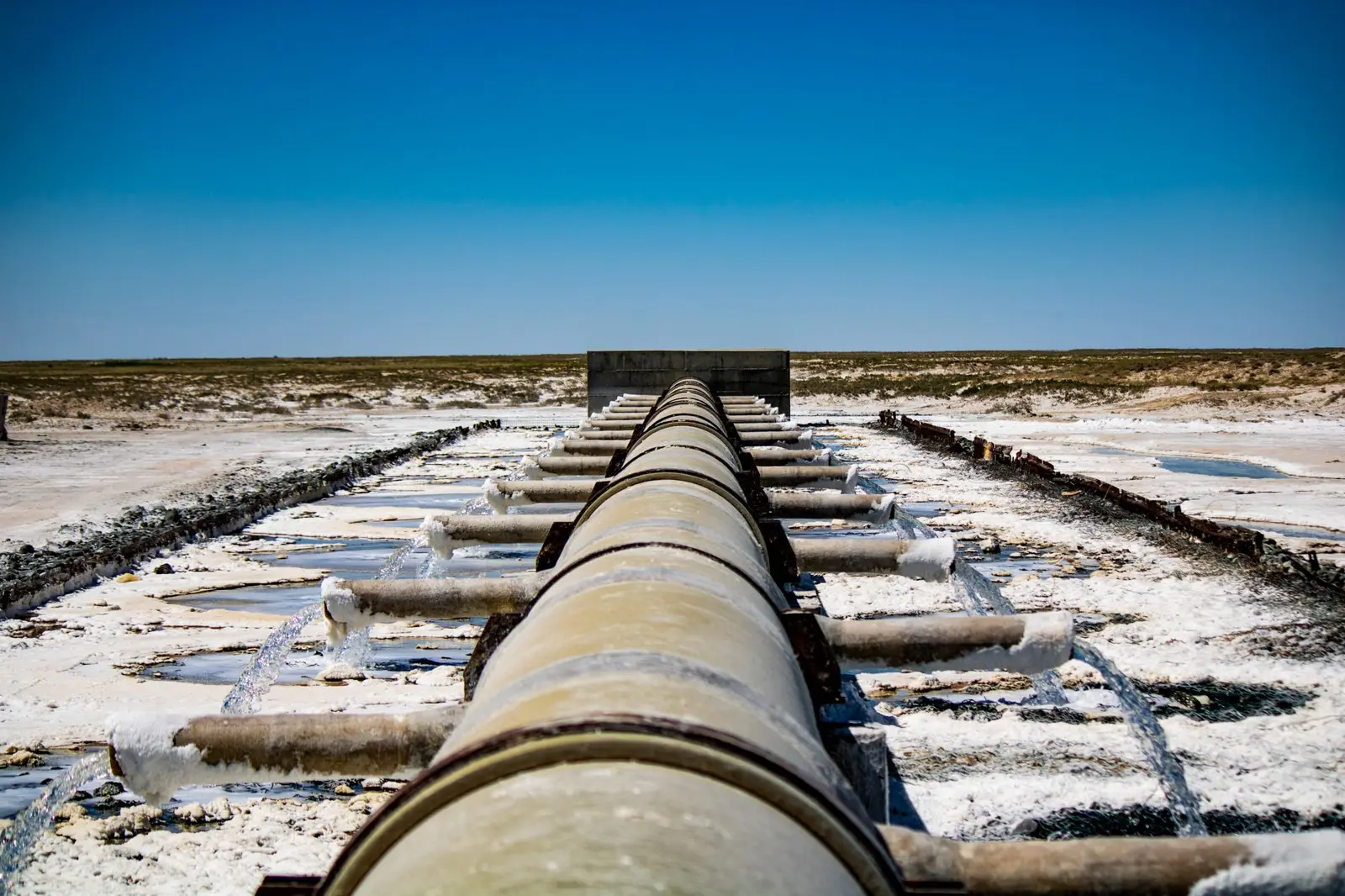
Inland desalination concentrate
No ocean outfall, a capped brine line or none at all. High-recovery membranes shrink the concentrate before anyone prices a pond.
Inland concentrate guide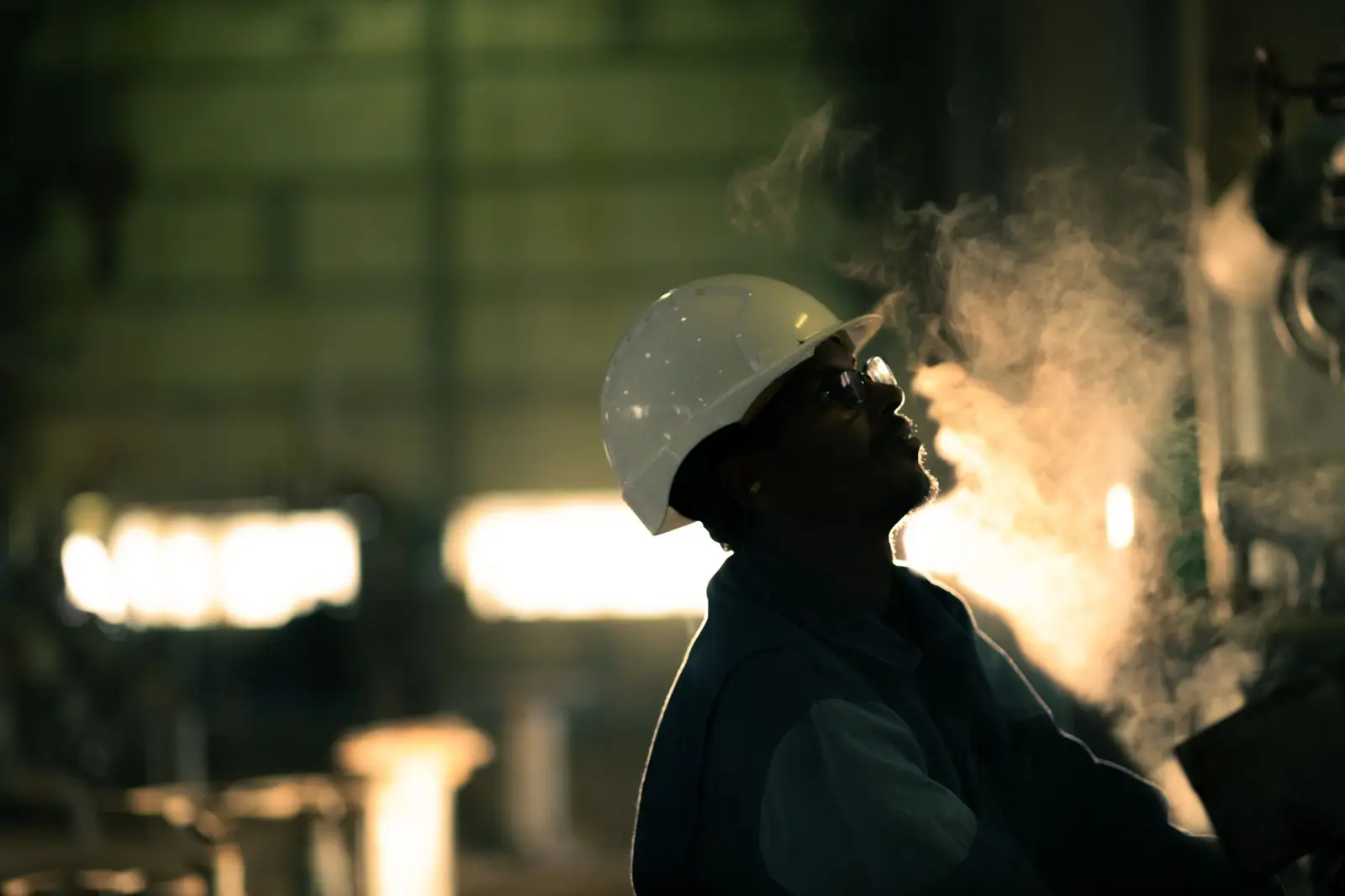
Power generation & FGD
Zero-discharge limits for FGD wastewater and bottom ash transport water, with deadlines now reaching December 31, 2034.
FGD compliance guide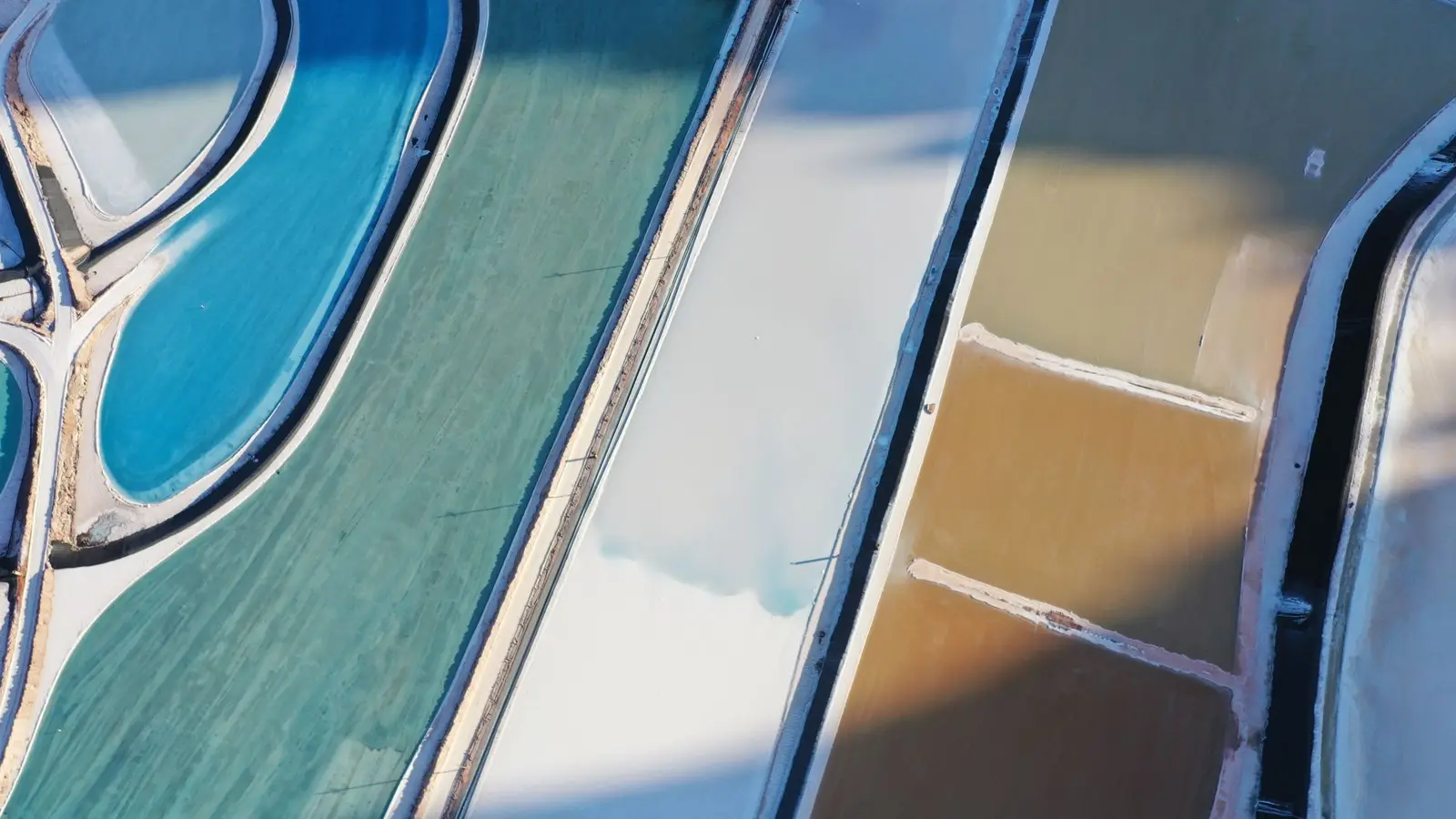
Lithium & mining brines
Direct lithium extraction recovers 70–90%+ of lithium, then needs eluate concentration and crystallization to reach battery grade.
Lithium brine guideFrom lab report to basis of design in four steps.
Ion chromatography & charge balance audit
Validate the lab report: cation/anion balance within ±5%, saturation indices for CaSO₄, CaCO₃, BaSO₄ and silica at each concentration factor.
Bench-scale softening & treatability
Lime/soda or NF softening jars, antiscalant screening and boiling-point-rise checks before any skid is sized.
Skid pilot program
Weeks of real feed through membrane and evaporator pilots to confirm flux, scaling margin, distillate quality and salt cake behavior.
Basis of design & vendor bid review
A single mass balance every bidder prices against, then a line-by-line review of guarantees, metallurgy and exclusions.
Send us the stream before you buy the skid.
Share flow, TDS and a lab ion report. We return a preliminary mass balance, a train recommendation and the questions a vendor bid has to answer.